















Heat pumps could cut US electricity rates by 13%, study finds
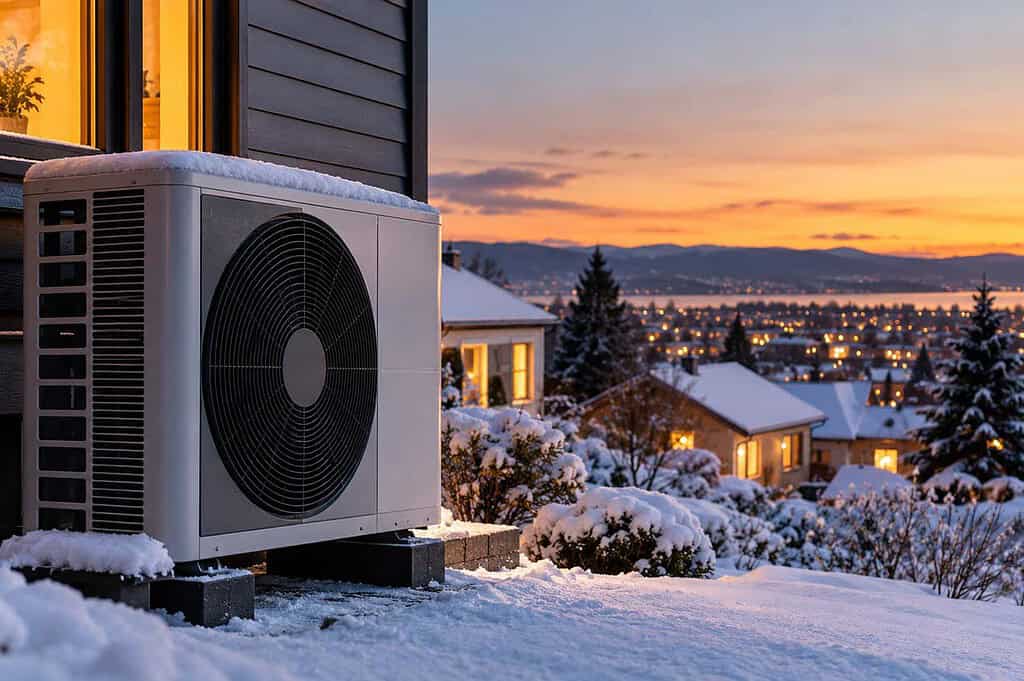
USA – Increasing heat pump adoption could help reduce electricity rates rather than drive them up, according to new US research showing how the technology could make better use of existing electricity infrastructure.
A study by energy research organisation RMI estimates that deploying a combination of all-electric and hybrid air-source heat pumps could reduce average residential electricity rates by 13% in US states with spare winter grid capacity.
The research, published on 15 October, challenges the assumption that widespread electrification of heating must necessarily increase electricity costs through additional grid investment.
In many US states, electricity demand peaks during summer because of air conditioning, leaving substantial generating capacity underutilised during winter. Installing heat pumps in homes currently heated by fossil fuels could increase electricity consumption during these quieter periods without requiring additional generation or transmission capacity.
By spreading the fixed costs of electricity infrastructure across more units of electricity sold, the additional demand could reduce average rates, potentially benefiting customers whether or not they have a heat pump.
RMI estimates that combining all-electric and hybrid heat pumps could deliver $15.6 billion in annual electricity rate savings, equivalent to approximately $200 per residential electricity customer across the states concerned. An all-electric-only scenario produced a smaller estimated reduction of 6%, worth $6.7 billion annually.
The study also identifies considerable potential for further deployment. Around 86 million additional US homes could adopt heat pumps within modelled winter grid capacity, bringing the total to approximately 109 million homes, or 80% of the country’s housing stock.
The researchers found that the most effective approach depends on regional conditions. States with substantial spare winter capacity could accommodate widespread all-electric heat pump adoption, while colder states with more limited capacity could benefit from hybrid systems.
In these applications, heat pumps would provide most of the annual heating demand, with fossil fuel systems operating only during the coldest periods to limit peak electricity demand.
The combined deployment scenario could also reduce annual residential greenhouse gas emissions by approximately 182 million tonnes of CO₂ equivalent.
However, RMI stresses that its findings are modelled scenarios rather than forecasts. The estimated reductions represent downward pressure on electricity rates compared with what they would otherwise be, rather than guaranteed reductions in household bills.
The modelling assumes no additional generation or transmission investment is required, although it includes estimated costs for local distribution network upgrades. Future electricity demand, grid development and extreme weather could also affect the available capacity.
The research also acknowledges that reduced natural gas consumption could increase gas rates as infrastructure costs are spread across lower consumption.
Although the findings have implications for electricity network planning and heat pump policy, they cannot be directly applied to Great Britain, where electricity demand typically peaks in winter rather than summer.
Nevertheless, the study highlights the importance of considering when additional electricity demand occurs, rather than assuming that increased consumption automatically requires proportionate investment in new grid infrastructure.


