








Kajima and Mitsubishi Electric demonstrate HVAC demand-response control
Japan – Kajima Corporation and Mitsubishi Electric have developed a demand-response system that automatically adjusts building HVAC and energy equipment, with a trial in Tokyo keeping actual electricity reduction within ±10% of the target over a 30-minute response period.
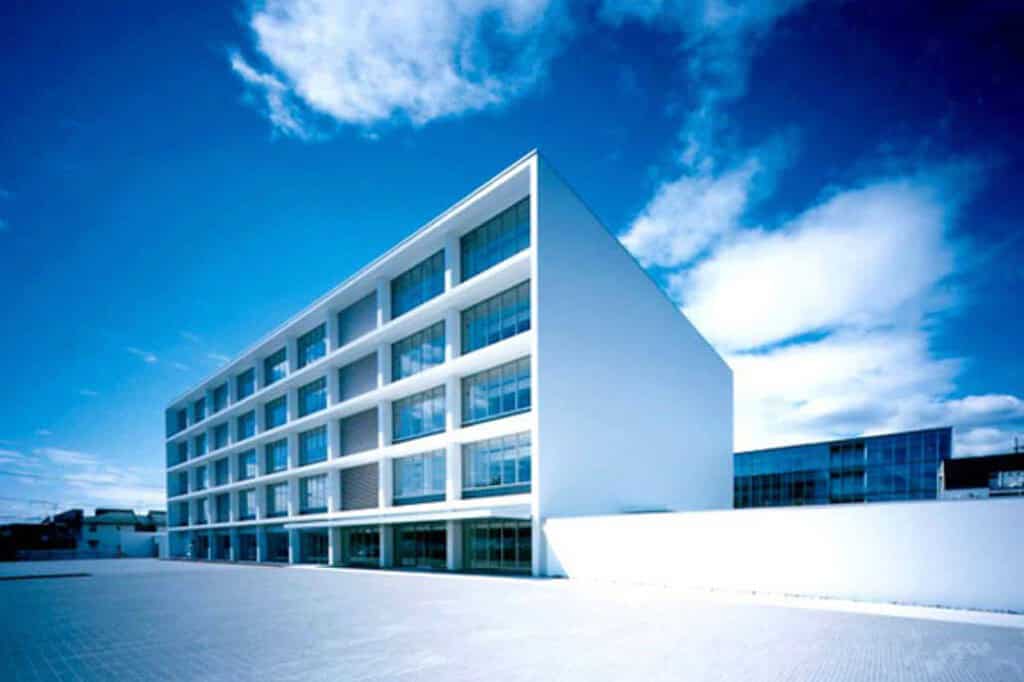
Installed at the Kajima Technical Research Institute in Chofu, the system controlled an air-cooled heat pump chiller, outdoor-air handling unit, packaged air conditioners and a battery.
HVAC loads adjusted every minute
The system combines live building and equipment data with weather forecasts to determine how electricity use can be reduced while maintaining acceptable indoor conditions.
An AI-equipped edge computer processes information including temperature, humidity, electricity consumption and equipment operating characteristics, recalculating the required response every minute and adjusting connected equipment accordingly.
Solar PV and storage can also be incorporated into the control strategy.
Performance demonstrated, but key data remains limited
Kajima and Mitsubishi Electric said the difference between targeted and actual electricity reduction remained within ±10% during the reported demand-response period.
However, the companies have not disclosed the absolute kW or kWh reduction achieved, equipment capacities, number of test events or the methodology used to establish the baseline.
They also said occupant comfort was maintained, although no quantified comfort data or independent verification was published.
Wider deployment planned
Kajima said it intends to promote the technology in buildings it designs and constructs, while Mitsubishi Electric plans further development of the controls as part of wider building energy optimisation.
The companies also see potential for the system to reduce peak electricity demand outside formal demand-response events, extending its use beyond grid-response applications.


