









Cooling tops UK business heat-resilience investment
UK – More than a third of UK businesses have increased investment to adapt to extreme heat, with air conditioning and ventilation the most commonly cited measures, according to new research from Barclays.
The bank’s Q2 2026 Business Prosperity Index found that 37% of businesses surveyed had increased spending to manage the effects of extreme heat, while a further 23% were considering investment.
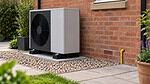
Upgrading cooling equipment, including air conditioning and ventilation, was cited by 28% of respondents, while 23% said they were adopting energy-efficiency measures to manage higher energy use.
Cooling suppliers see stronger cash inflows
Barclays also reported a 4.3% year-on-year increase in cash inflows to client businesses it classifies as air-conditioning suppliers during the second quarter of 2026.
The bank presents the increase alongside its survey findings as an indication of growing commercial activity around heat resilience. The figure relates specifically to cash moving into Barclays accounts, however, and should not be treated as a direct measure of UK air-conditioning sales, installations or overall market growth.
That presents a clear opportunity for heating and cooling, retrofitting, facilities management, and wider sustainability providers
Jason Constable, head of real estate at Barclays UK Corporate Bank
Extreme temperatures strengthen resilience case
The findings follow another period of exceptional UK temperatures. Kew Gardens provisionally reached 38.1°C on 13 August, making it the fifth-hottest day recorded in the UK.
The Met Office said 2026 had, by that point, recorded four days at or above 36°C and three at or above 37°C.
For the building-services sector, the Barclays findings provide further evidence that overheating and cooling requirements are becoming part of business investment decisions alongside energy efficiency.
That creates opportunities for suppliers and contractors able to address cooling demand while controlling the additional energy consumption associated with hotter conditions, including through efficient air-conditioning systems, ventilation, controls, building-fabric improvements and integrated approaches to year-round building performance.


