















UK – The Royal Botanic Gardens, Kew has cut fossil fuel consumption across Kew Gardens and Wakehurst by 22% year-on-year, with its core carbon emissions falling by 17%, as a programme of heat pump installations replaces gas and oil heating across historic glasshouses, scientific facilities and other buildings.
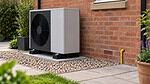
Air source heat pumps have played a central role in the reductions, including at the Victorian Temperate House, the Wakehurst mansion and several new and existing buildings, as Kew works towards becoming climate positive by 2030.
Heat pumps replace fossil fuel heating
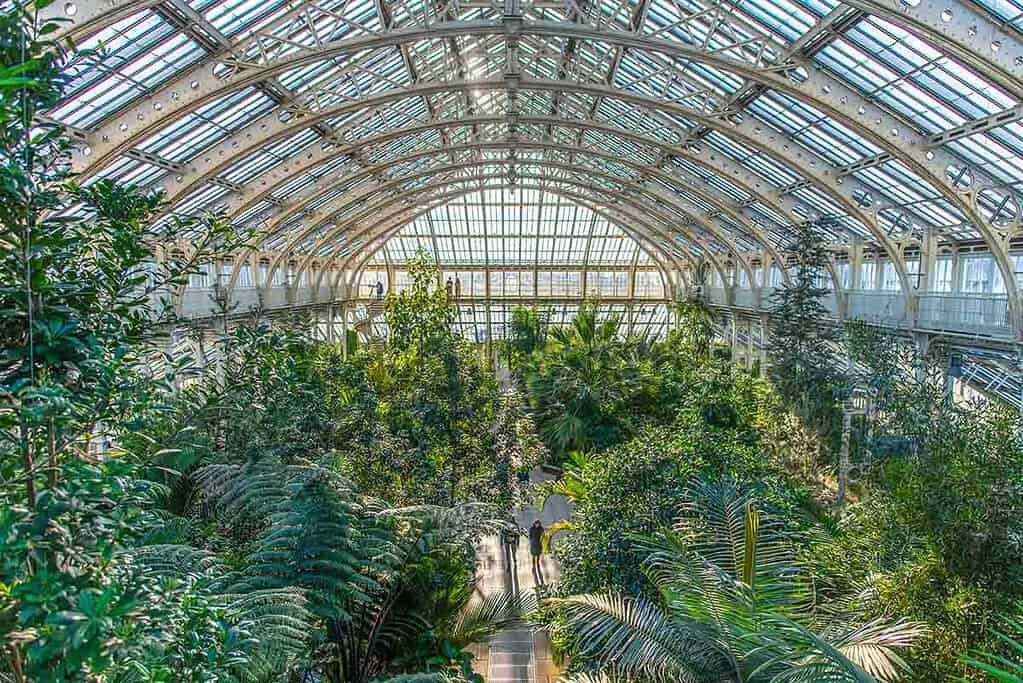
Among the most significant projects has been the decarbonisation of the heating system serving the Temperate House at Kew Gardens, described as the world’s largest surviving Victorian glasshouse.
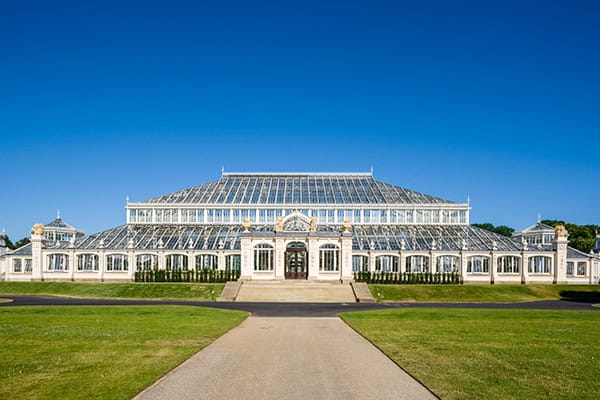
The project has replaced gas use with air source heat pumps, demonstrating the potential for electrified heating to be introduced within a highly specialised heritage environment where maintaining appropriate conditions for plant collections is critical.
Further heat pump installations have been completed at Kew Gardens as part of projects to replace fossil fuel heating at the Jodrell Laboratory, Melon Yard and Nash Conservatory.
New buildings are also being designed around low-carbon heating. Kew’s Arboretum HQ and Family Kitchen & Shop both use electric air source heat pumps as part of their sustainability specifications.
The programme represents a significant deployment of heat pump technology across an estate containing more than 300 buildings and structures, including 56 listed buildings.
Wakehurst moves away from oil
At Wakehurst in Sussex, heat pumps have replaced inefficient oil boilers previously used to heat the historic Elizabethan Mansion and surrounding buildings.
Kew said the change has halved direct heating emissions from the buildings, making it another important contributor to the organisation’s wider reduction in fossil fuel consumption.
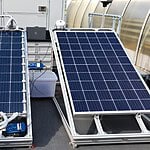
The electrification programme is being supported by additional measures intended to reduce the carbon impact of electricity consumption. These include 130kW of roof-mounted solar PV installed at the Millennium Seed Bank, which is generating around 20% of the building’s electricity requirements and 8% of electricity used across the Wakehurst site.
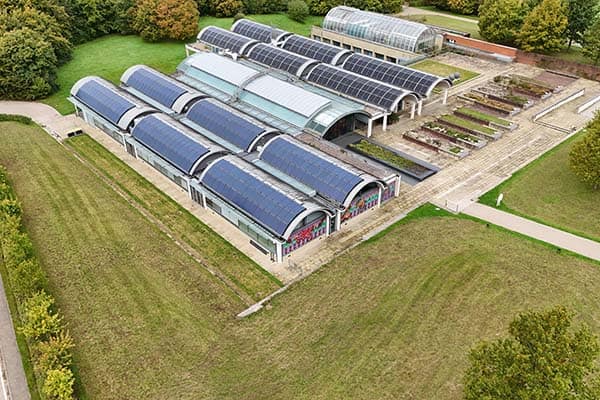
The latest figures also benefited from the falling carbon intensity of UK electricity, increasing the emissions benefit available as buildings move from fossil fuel combustion towards electrically powered heating.
Over a single year, Kew’s reliance on fossil fuels has reduced by 22%, cutting our core emissions by 17%.
Rachel Purdon, Head of Sustainability at RBG Kew
Decarbonising a complex estate
Kew’s programme highlights some of the challenges involved in decarbonising large and technically diverse estates.
Across Kew Gardens and Wakehurst, the organisation manages 349 hectares of land and more than 300 buildings and structures. Its estates include conservation areas, historic buildings, laboratories, visitor facilities and controlled environments supporting internationally important living collections.
More than 27,000 species and varieties of plants and fungi are maintained within Kew’s living collections, while the Millennium Seed Bank at Wakehurst safeguards more than 39,000 plant species.
Maintaining these environments while changing their heat sources places particular emphasis on the design, integration and operation of low-carbon heating systems.
Rachel Purdon, Head of Sustainability at RBG Kew, said: “It is fantastic to see what happens when climate ambition is matched by action. Over a single year, Kew’s reliance on fossil fuels has reduced by 22%, cutting our core emissions by 17%. This marks a substantial step forward in our longer-term decarbonisation journey, reflecting significant investments, huge commitment from teams across the organisation, plus the impact of reductions in carbon intensity in external sectors.”
Targeting climate positive operations
RBG Kew is targeting a 46% reduction in its core carbon footprint during the current decade as part of its ambition to become climate positive by 2030. Its science-based emissions reduction target is aligned with efforts to limit global warming to 1.5°C.
Alongside heating electrification, measures contributing to the latest reduction include replacing fleet vehicles and equipment with electric alternatives, which Kew said has reduced horticultural fuel consumption across the two sites by 40%.
The organisation has also developed site-wide strategies covering energy, water and waste and is reviewing procurement and supply chains for further emissions reductions.
A recent assessment found Kew remains on track to meet its science-based emissions reduction target for its core carbon footprint.
Funding for the decarbonisation programme has included support through the Public Sector Decarbonisation Scheme and Defra. Kew said continued support from existing and new funding partners will be needed to deliver the remaining projects required to meet its 2030 objectives.


