















Government says Great British Grid will boost energy security and cut bills
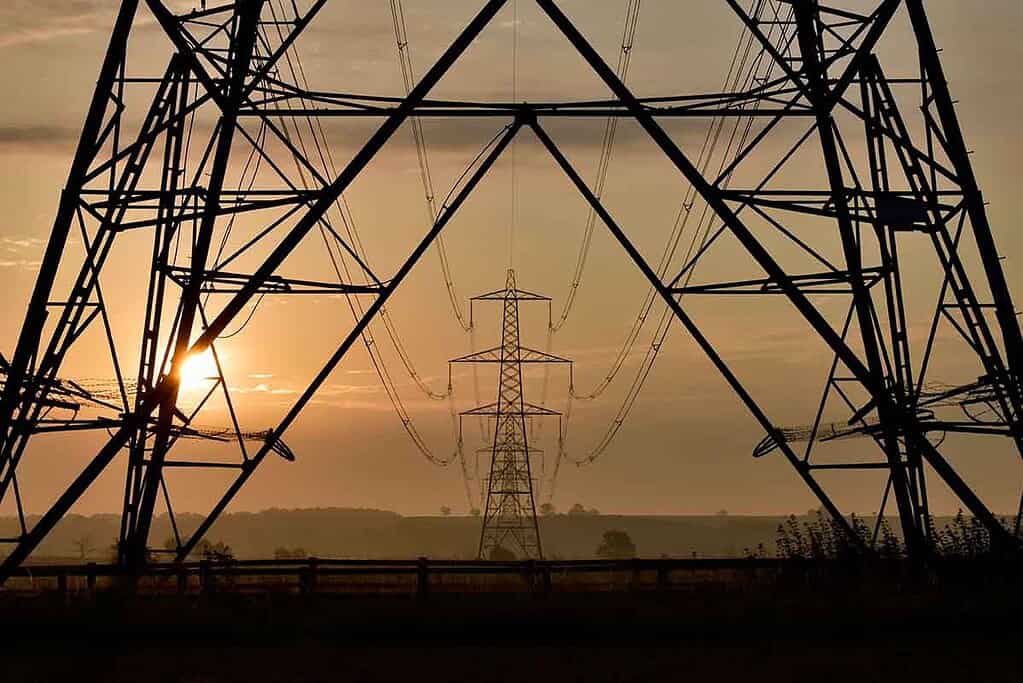
UK – The government has announced Great British Grid (GBG), a new publicly owned body within Great British Energy that will invest in electricity network infrastructure and compete to deliver new projects as Britain accelerates grid expansion.
GBG will invest public capital alongside private investment in transmission and other network infrastructure. It is intended to strengthen energy security, speed up delivery, increase competition and support rising electricity demand from homes, businesses and the wider electrification of heat and transport.
The government says Britain’s electricity grid must be expanded and modernised at an unprecedented pace to connect new generation and accommodate growing demand. That has direct implications for heat electrification, with greater use of heat pumps and electric vehicles increasing the need for network reinforcement, particularly at distribution level.
The government announcement said: “Families and businesses across the country will benefit from faster grid connections, greater energy security and lower costs.” Energy security and spiralling costs have been thrown into sharp focus as UK households brace for a predicted price cap rise of 16% in January, mainly as a rresult of conflict in the Middle East. This is in addition to a confirmed 4% increase in October.
GBG will not replace National Grid or other existing network operators. Instead, it will operate alongside them as a publicly owned investor and potential developer of new infrastructure.
No date yet for first projects
The government has not set out a timetable for GBG’s first investments or said when it will begin competing for transmission projects. Initial start-up costs will be met from Great British Energy’s existing budgets, with longer-term funding to be considered in a future Spending Review.
Ofgem is separately developing the competitive framework for new transmission projects through its Competitively Appointed Transmission Owner (CATO) regime. Consultation on the draft CATO licence and guidance runs until 16 October 2026.
Connections reform
GBG forms part of wider reform of the electricity connections system. The government is working with NESO and Ofgem to overhaul the connections queue and says more than 300GW of speculative capacity has already been removed.
It will also expand self-build connections, allowing developers and businesses to construct their own grid connections where appropriate rather than waiting for network companies to do so.
The government says similar reforms in Ireland have reduced connection times by up to 11 months.
Up to £70bn of transmission investment
Ofgem estimates that transmission owners could invest up to around £70 billion in Great Britain’s electricity transmission network between 2025-26 and 2030-31, although much of that expenditure remains subject to approval.
Major projects already have delivery dates extending into the early 2030s, highlighting the long development periods involved in grid infrastructure.
National Grid remains in place
National Grid Electricity Transmission will continue to own and operate much of the high-voltage transmission network in England and Wales, while Scotland’s transmission networks will remain with SP Energy Networks and SSEN Transmission.
NESO will continue to operate, plan and coordinate the electricity system, while Ofgem remains the independent regulator.


