














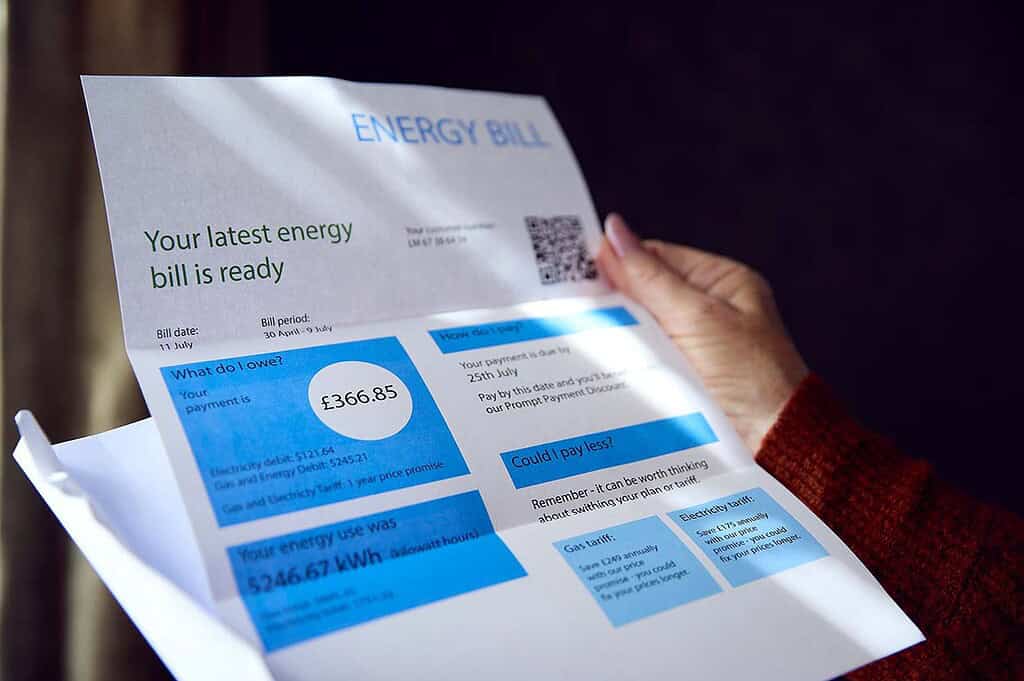
Price cap rises by 4% as higher gas costs push up winter bills
UK – As expected, energy regulator Ofgem has confirmed a 4% increase in the energy price cap from 1 October, taking the typical annual dual-fuel bill from £1,663 to £1,723, with higher wholesale gas prices responsible for most of the rise.
Electricity costs will remain broadly stable following the Government’s removal of VAT from domestic electricity bills, meaning households that do not use gas will see an increase of less than 1%.
Higher gas prices drive increase
The new cap will apply from 1 October to 31 December 2026 and represents an increase of £60 a year, or around £5 a month, for a typical household paying by direct debit and using both gas and electricity.
Ofgem said volatile global gas markets, linked to the ongoing conflict in the Middle East, remain the dominant factor affecting energy prices. Wholesale prices have risen by 11% over the past three months.
The regulator said prices nevertheless remain 52% below the height of the energy crisis in 2022, when the Government intervened to limit typical household bills to £2,500.
Electricity VAT cut limits impact
The October cap incorporates the Government’s decision to remove VAT from domestic electricity bills between 1 October 2026 and 31 March 2027.
Ofgem estimates the measure has reduced the new headline price cap by around £45 compared with where it would otherwise have been. The VAT reduction will also apply automatically to electricity used by customers on fixed tariffs.
Although wholesale pressures are increasing the underlying cost of both fuels, Ofgem said the VAT change means electricity bills will remain broadly stable while gas bills rise by around 8%.
For direct debit customers on standard variable tariffs, the average capped electricity unit rate will move only slightly from 26.11p/kWh to 26.32p/kWh, while the electricity standing charge falls from 57.19p to 54.83p per day.
The average gas unit rate, meanwhile, will increase from 7.33p/kWh to 7.97p/kWh, with the daily standing charge rising from 29.04p to 29.68p.
Smaller increase for electrically heated homes
The different movements in gas and electricity costs are particularly relevant to the electrification of domestic heating.
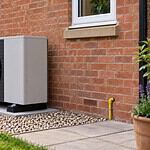
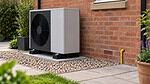
Ofgem said households that do not use gas will experience an overall increase of less than 1% under the new cap. This means many electrically heated properties, including homes using heat pumps without a gas supply, will be substantially less exposed to the October increase than dual-fuel households.
The figures also change the relative movement in domestic gas and electricity prices ahead of the winter heating season, with gas becoming more expensive while capped electricity prices remain almost unchanged.
Around 35% of households, equivalent to approximately 11 million customers, are currently on fixed tariffs and will not be affected directly by the price cap increase.
High international gas prices are continuing to drive energy costs in the UK
Neil Kenward, Ofgem
Neil Kenward, Ofgem’s Director General for Markets, said the VAT intervention had prevented customers facing a larger increase this winter and urged households to consider alternatives to standard variable tariffs.
He added: “High international gas prices are continuing to drive energy costs in the UK. We welcome the Government’s intervention to remove VAT from electricity bills, without which customers would have faced even higher costs this winter.
“Savings are available by choosing a fixed tariff, which are available at £100 or more below the October price cap, and many suppliers offer tariffs with cheaper electricity to smart meter customers for electricity consumed out of peak times. It’s also worth considering different payment methods, with prepayment customers paying the lowest price cap rates, and could save consumers an average of about £45 compared to direct debit.”
Ofgem said fixed tariffs are currently available at £100 or more below the October price cap. The regulator also highlighted smart meter tariffs offering lower electricity prices during off-peak periods, which may be particularly relevant to households able to shift electricity demand.
Ofgem is advising customers struggling to meet their energy costs to contact their supplier as early as possible. Suppliers are expected to offer affordable repayment arrangements where appropriate and direct customers towards available financial support and independent advice.


