










Heat pump competition heats up in South Korea
South Korea – Competition in South Korea’s residential heat pump market is building as manufacturers respond to government plans to accelerate heating electrification and deploy 3.5 million heat pumps by 2035.
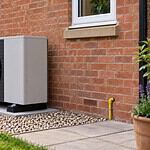
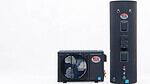
Autech Carrier is among the manufacturers stepping up activity in the sector, beginning mass production of its Carrier AI Boiler air-to-water heat pump at its Gwangju factory in July. The move follows new residential heat pump systems from Samsung and LG, while KyungDong Navien is also developing its heat pump and wider HVAC portfolio.
The Autech Carrier system provides underfloor heating and domestic hot water, with leaving-water temperatures of up to 65°C and quoted maximum SCOPs of 4.93 at 35°C and 3.68 at 55°C.
Manufacturers target emerging market
Samsung launched its EHS Heat Pump Boiler air-to-water heat pump into the Korean market in April, while LG introduced a new integrated residential heat pump system in May.
KyungDong Navien, one of South Korea’s major heating manufacturers, is also expanding its activities in heat pumps and HVAC. It was among six manufacturers represented in government discussions on expanding the country’s heat pump industry, alongside Samsung Electronics, LG Electronics, Daesung Heat EnerSys, Century and Autech Carrier.
Autech Carrier began mass production of its latest system on 2 July at its approximately 93,600m² manufacturing site in Gwangju, which also produces residential air conditioning, commercial HVAC equipment and industrial heating and cooling equipment.
The company says it began developing inverter hybrid systems in 2011 and commercialised the technology in 2014, later participating in Korea Electric Power Corporation programmes involving thermal-storage heat pumps.
Autech Carrier starts local production
The Carrier AI Boiler uses R32 refrigerant with a twin-rotary compressor, BLDC fan motor, electronic expansion valve and inverter control.
Its integrated design eliminates the need for separate refrigerant pipework between indoor and outdoor components, while its controls adjust compressor output and refrigerant flow according to outdoor temperature and heating demand.
Autech Carrier claims the system can reduce energy costs by up to around 65% compared with a gas boiler at equivalent heating performance, although detailed tariff assumptions and test methodology were not published alongside the claim.
Government targets 3.5 million heat pumps
Growing manufacturer activity comes as South Korea introduces policies intended to increase the use of heat pumps and accelerate the electrification of heating.
Air-source energy was formally recognised as renewable energy under Korean legislation in March 2026, while government support has also been introduced for air-source heat pump installations in selected homes.
South Korea’s Heat Pump Deployment Promotion Plan targets the installation of 3.5 million heat pumps by 2035, with an estimated associated reduction of 5.18 million tonnes of greenhouse-gas emissions.
The combination of policy support and growing activity from established Korean heating and HVAC manufacturers points to increasing competition in the country’s residential air-to-water heat pump market.


