













Heat pumps identified for Sellafield decay heat recovery
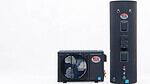
UK – The Nuclear Decommissioning Authority (NDA) has published research identifying heat pumps as the most mature option assessed for recovering decay heat from spent nuclear fuel stored at Sellafield, with the recovered energy potentially used for space heating.
The study identified the Thorp Receipt and Storage Pond as the most suitable location for energy recovery, with potential annual savings estimated at around £30,000 and 290 tonnes of CO₂ emissions. However, the cost and potential dose implications of retrofitting the loaded facility mean further investment is not currently justified.
Heat pumps emerge as most mature option
The study was carried out by Orano to assess whether heat generated through radioactive decay from spent fuel and nuclear materials stored at Sellafield could be recovered and put to useful use.
Using the GOLDFIRE AI-powered knowledge-discovery platform, the study assessed a range of heat-recovery technologies. The three most promising options were Organic Rankine Cycle systems, assessed at technology readiness level (TRL) 5, heat-pipe exchange at TRL 6 and heat pumps at TRL 7.
Thorp pond identified for heat recovery
Spent fuel and nuclear materials held at Sellafield continue to generate heat through radioactive decay while in storage.
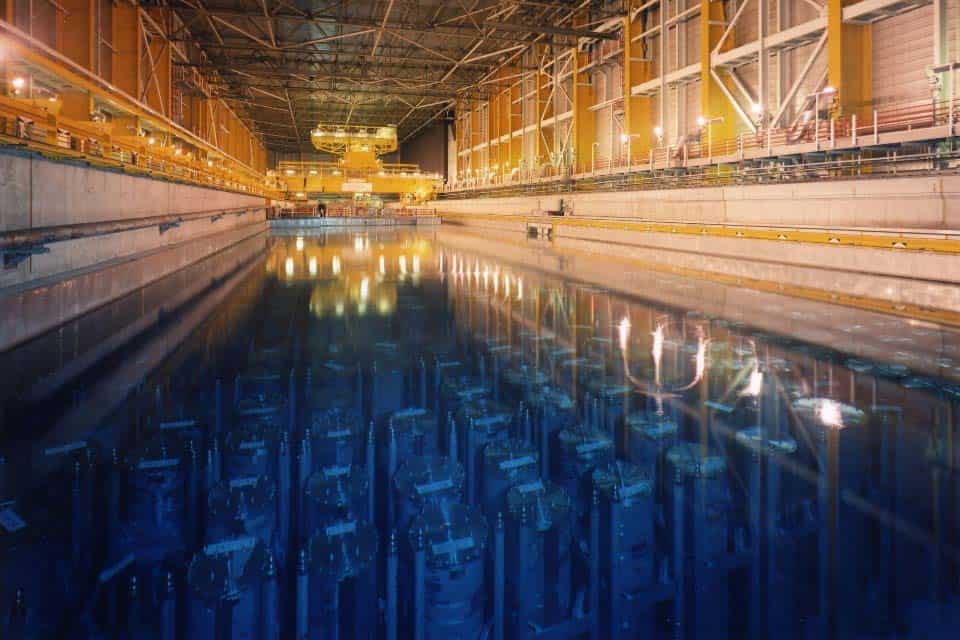
The NDA study found that the Thorp Receipt and Storage Pond presented the most suitable opportunity for recovering this energy, with space heating identified as a potential use for the recovered heat.
The NDA estimated that a heat-recovery system at the facility could potentially save approximately £30,000 and avoid around 290 tonnes of CO₂ emissions each year. The figures are estimated benefits rather than savings demonstrated through an operating installation.
Retrofit costs rule out investment
Despite the technical potential, the NDA concluded that the expected benefits were insufficient to justify retrofitting the pond.
It cited the high cost of modifying the existing facility together with the potential dose implications of carrying out the work while the pond was loaded.
Further investment was therefore not justified at the time of the assessment, although the NDA said future technical developments could lead to the decision being reviewed.
Study began in 2022–23
The heat-recovery investigation first appeared in the NDA’s 2022–23 Direct Research Portfolio as a new Orano-led project examining technologies capable of harnessing unexploited energy from radioactive inventories and stores.
The findings have now been detailed in the NDA’s 2023–24 Direct Research Portfolio annual report, which was added to its published annual-report collection on 12 August 2026.


