

















Netherlands plans heat pump rule for gas boiler replacements from 2029
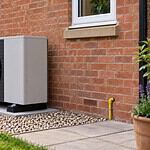
Netherlands – The Dutch government plans to require hybrid heat pumps or more efficient alternatives when existing gas boilers are replaced from 2029, under proposals to accelerate the transition to low-carbon heating. The requirement would primarily apply to homes not connected to, or due to join, district heating networks.
The government estimates that hybrid heat pumps can reduce gas consumption for space heating by an average of 65% and household CO₂ emissions by more than 30%.
Requirements and exemptions
The proposed standard would be introduced through amendments to Dutch building regulations, preventing standalone gas boilers from being installed in properties covered by the rules. Fully electric heat pumps would also meet the efficiency requirements.
Apartment buildings and protected historic properties are expected to be exempt initially because of installation constraints. Homeowners would not be required to replace functioning boilers before the end of their service life.
Proposed efficiency standards
The government has yet to confirm the precise efficiency threshold for the new regulations. However, research commissioned for an earlier proposal recommended a whole-system energy performance indicator of 0.7, measuring primary fossil energy consumption relative to the building’s space-heating demand.
The 2023 research found that a hybrid heat pump with a seasonal coefficient of performance (SCOP) of 3.8, supplying approximately 68% of space-heating demand, would meet the proposed threshold. Alternatively, a system covering 60% of heating demand would require an SCOP of approximately 4.5.
These figures indicate the performance previously considered necessary, although it remains unclear whether they will be adopted in the 2029 regulations.
Smart controls and electricity demand
New hybrid heat pumps would also need smart controls capable of responding to electricity prices and network conditions.
This would allow systems to adjust their operation during periods of high electricity demand, reducing pressure on the grid.
The technical requirements are addressed in NTA 8171, a Dutch technical agreement developed through standards organisation NEN to establish common requirements for smart heat pump operation and communication with energy systems.
Financial support and implementation
The government is working with industry to reduce installation costs and increase capacity. Homeowners can already access financial support through the ISDE subsidy scheme and the National Heat Fund.
Further research into whether hybrid installations can recover their costs during their operating life is expected to conclude in early 2027. Consultation and parliamentary scrutiny are planned for later that year, with regulatory amendments provisionally scheduled for publication in mid-2028.
The proposals revive an earlier Dutch policy requiring more efficient heating systems from 2026, which was abandoned in 2024. They also support the country’s longer-term objective of eliminating natural gas heating from buildings by 2050.


