











Heat pumps made up 58% of US heating equipment shipments in first half of 2026
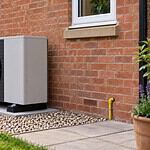
USA – Heat pumps accounted for 58% of US space heating equipment shipments in the first half of 2026, matching their first-half 2024 record despite the expiry of a federal tax credit worth up to $2,000 for qualifying installations.
The figures come from the Building Decarbonization Coalition’s (BDC) Momentum Q3 | 2026 report, which also found that 41 building decarbonisation measures have passed state legislatures this year as energy affordability moves higher up the policy agenda.
Heat pumps maintain majority share
The 58% figure covers shipments of space heating equipment rather than completed installations, but indicates that heat pumps maintained a majority share of the market measured by equipment shipments during the first six months of the year.
This came after the federal Energy Efficient Home Improvement Credit under Section 25C ended for equipment placed in service after 31 December 2025. The scheme had offered a credit of up to $2,000 a year for qualifying heat pumps and heat pump water heaters.
Households and legislators appear to be reaching the same conclusion: clean heating and cooling can help rein in rising utility bills. In the first half of 2026, heat pumps led the space heating equipment market even after the federal tax credit expired.
Kevin Carbonnier, Associate Director of Analytics, BDC
States focus on affordability
BDC tracked 124 building decarbonisation bills and budget measures during the 2026 legislative session, of which 41 had passed by the third quarter. The organisation said affordability was a prominent theme, with 44 measures introduced that addressed energy costs.
Examples include California’s Heat Pump Access Act, which aims to streamline permitting for installations, and Maryland’s Utility RELIEF Act, which was signed into law in May following passage by the state legislature.
Rhode Island has also passed its Thermal Energy Network and Jobs Act, requiring utilities to examine the potential for thermal energy networks in the state. The legislation became effective in June without the governor’s signature.
Utility spending comes under scrutiny
BDC said electric and gas utilities were seeking a combined $17.2 billion in rate increases as of the third quarter, while US energy costs had risen 16% in the 12 months to August 2026.
The coalition has increasingly linked rising gas bills to expenditure on distribution infrastructure. Its research found that gas utility spending on distribution networks has more than tripled since 2010, while around two-thirds of a typical household gas bill now relates to delivery and infrastructure rather than the fuel itself.
In Pennsylvania, separate BDC research found that the state’s six largest gas utilities spent $11 billion on accelerated pipeline replacement programmes between 2013 and 2025. Over the same period, the organisation said residential gas bills from those utilities increased by an average of 67%, while gas consumption per residential customer has fallen 28% since 2000.
Legislative activity continues to grow
BDC has tracked 580 building decarbonisation measures across 44 states since beginning its annual legislative roundup in 2022, with 206 passing.
The organisation said further measures could still progress during the remainder of 2026 as legislative sessions continue in several states.
The Momentum Q3 | 2026: Legislative Roundup Edition report is available at https://buildingdecarb.org/momentum-q3-2026.


