

















BSRIA guide sets out new heat pump requirements under updated Building Regulations
UK – BSRIA has published updated guidance covering major changes to Building Regulations, including new provisions affecting heat pump controls, installation and commissioning under the Future Homes and Buildings Standards.
BG 92/2026 Building Regulations brings together requirements across Parts A to T and summarises differences between England, Wales, Scotland and Northern Ireland. The guide is intended to help building services engineers, designers and contractors navigate the regulatory framework and was first published in June 2026.
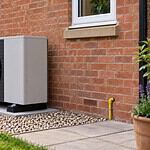
Heat pumps under updated Part L
Changes implementing the Future Homes and Buildings Standards in England come into force from 24 March 2027, subject to transitional arrangements.
New homes will be required to meet higher energy-efficiency standards and use low-carbon heating systems. Government guidance states that gas boilers will not meet the required performance standard, with heat pumps and heat networks among the principal routes to compliance. Solar PV is also expected to be installed on the majority of new homes.
The revised Approved Document L includes specific guidance covering heat pump controls, limiting distribution losses and providing operational and maintenance information with installed systems.
For new dwellings with heat pumps, this information includes the building heat-loss calculation and the system design flow temperature.
The guidance also addresses installation and commissioning, including following manufacturers’ instructions and the certification routes available through registered competent persons or building control bodies.
Building Regulations changes this year are stacking up in a way that makes it harder to manage than usual
— David Bleicher, Publications Manager, BSRIA
Wider regulatory changes
BG 92/2026 also covers changes to fire safety requirements, the Building Safety Act 2022 and revised ventilation guidance.
Changes to Approved Document B requiring more than one common stair in blocks of flats with a top storey 18m or more in height take effect on 30 September 2026, subject to transitional arrangements.
The guide also covers the Building Safety Act’s gateway process, dutyholder responsibilities and the golden thread of building information, alongside Part O overheating requirements, Part S electric vehicle charging provisions and Part T requirements covering toilet accommodation.
BSRIA describes BG 92/2026 as a practical guide to how Building Regulations operate, with references directing users towards the underlying legislation, government guidance and supporting technical documents.


