









UK – A value-engineering exercise on Birmingham City University’s heat-pump-led decarbonisation project cut £2m from the original tender price, according to the project team, with a high-temperature cascade arrangement allowing existing heat emitters to be retained.
Principal contractor SHEco Renewable Systems worked with Kooltech and Mitsubishi Electric on the two-month exercise for the university’s Seacole Building at its City South Campus. The resulting system provides more than 1MW of heating and more than 1MW of cooling.
The £2m represents a reduction against the original tender rather than an operational energy or carbon saving. The original tender value, revised project cost and breakdown of individual savings have not been published.
High-temperature cascade
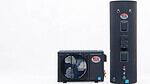
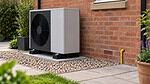
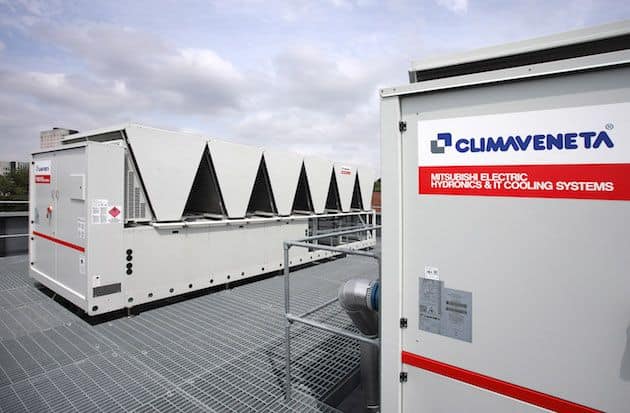
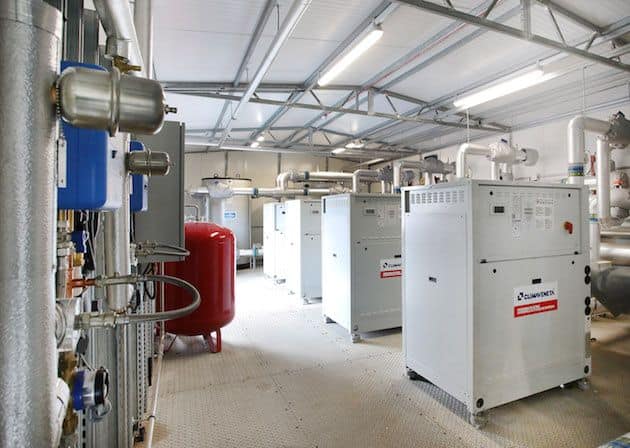
The system uses two Climaveneta NX2-Q air-source units capable of simultaneous heating and cooling, feeding four Climaveneta EW-HT water-to-water high-temperature heat pumps.
The EW-HT units boost water temperatures to around 70°C, allowing the building’s existing secondary-side heat emitters to be retained. The project team said avoiding their replacement contributed to the overall cost reduction.
Mitsubishi Electric Hydronics & IT Cooling Systems describes the NX2-Q as a four-pipe air-source unit capable of simultaneously producing hot and chilled water through separate hydronic circuits. The EW-HT range can produce hot water at temperatures of up to 78°C.
Boilers and chillers replaced
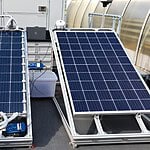
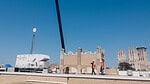
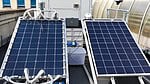
At the Seacole Building, the project replaced ageing gas boilers and chillers with the heat-pump-led system, alongside a 50kW solar PV array and LED lighting upgrades.
The installation forms part of Birmingham City University’s wider decarbonisation programme, announced in 2023 after the university secured £3.3m through the Public Sector Decarbonisation Scheme.
BCU committed more than £450,000 of its own funding, taking the programme value at that stage to around £3.8m.
Wider university programme
The funding covered work at both the Seacole Building and Pavilion leisure facility. Measures announced by BCU included air-source heat pumps, solar PV and LED upgrades at both sites, alongside further energy-efficiency improvements.
The university forecast that the programme would reduce carbon emissions across its estate by 8% and cut annual utility costs by more than £300,000. Those figures were projections made when the programme was announced rather than measured post-installation results.


